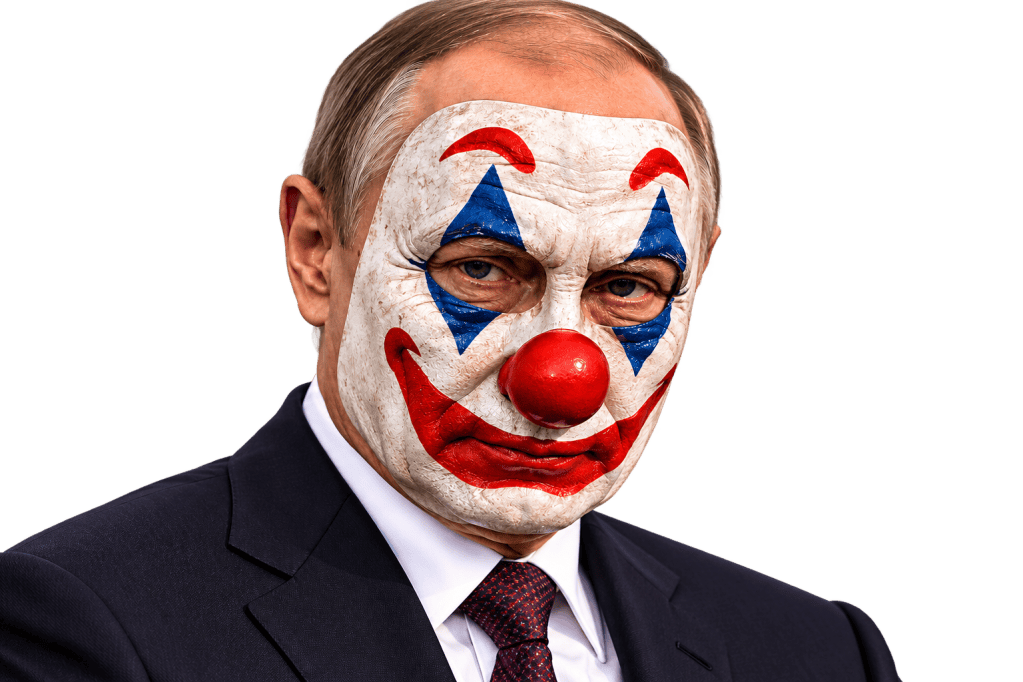
Vladimir Putin, Donald Trump, the Ukraine war and a changing global order. Behind the headlines lies a question that could define the future of international politics.
October 19, 2026 | By Jessy Unknown
The Man Who Refuses to Disappear
Some political leaders dominate the headlines for a few years. Others influence entire generations.
Vladimir Putin has spent more than two decades at the center of Russian power, surviving political crises, international sanctions, diplomatic isolation and a war that has transformed Europe’s security landscape.
But in 2026, one question is becoming increasingly difficult to ignore:
Is Vladimir Putin becoming more powerful — or is the world witnessing the limits of his influence?
The answer is far more complicated than either his supporters or his critics might suggest.
Putin, Trump and the New Global Power Game
The relationship between Vladimir Putin and Donald Trump has once again become one of the most closely watched subjects in international politics.
Recent reports suggest that Putin has proposed a meeting involving Trump and Chinese President Xi Jinping to discuss the future of the Ukraine conflict.
Such a summit, if it happens, could become a defining diplomatic moment.
But there is a fundamental problem.
Ukraine’s future cannot simply be decided by powerful nations negotiating over its head.
And any agreement that ignores Ukrainian sovereignty could create more problems than it solves.
Peace negotiations are not just about ending a war. They are about deciding what kind of international order comes afterward.
Russia’s War in Ukraine: The Cost of Power
Russia’s full-scale invasion of Ukraine in February 2022 changed Europe.
The consequences have extended far beyond the battlefield.
Energy markets, international trade, military spending and diplomatic alliances have all been affected.
In October 2026, Putin announced plans for a security zone inside Ukrainian territory, presenting it as necessary to protect Russia’s border regions.
Ukraine and its supporters see such territorial demands as another challenge to Ukrainian sovereignty.
Meanwhile, the International Criminal Court’s arrest warrant against Putin, issued in 2023 over alleged war crimes involving the unlawful transfer and deportation of Ukrainian children, remains a major issue for his international standing.
Putin has not been convicted by the court.
Yet the warrant illustrates how dramatically Russia’s relationship with international institutions has changed.
Is Putin Really in Control?
Power can be measured in different ways.
Military strength. Economic resources. Political loyalty. International influence.
Russia still possesses enormous natural resources, nuclear weapons and significant geopolitical leverage.
But strength does not mean unlimited freedom.
War places pressure on government finances. Sanctions complicate economic relationships. Diplomatic partnerships often depend on competing national interests.
Even powerful leaders must operate within constraints.
And the longer a conflict continues, the more difficult it becomes to separate strategic success from political survival.
A leader can control the narrative at home without controlling the consequences abroad.
China, America and the Future of Russia
One of the biggest questions surrounding Putin is Russia’s long-term relationship with China.
Beijing and Moscow share interests in challenging aspects of Western influence.
But China also has its own economic ambitions, international partnerships and strategic priorities.
That raises a fascinating question:
Could Russia’s confrontation with the West eventually make Moscow more dependent on Beijing?
At the same time, Washington faces its own dilemma.
Should the United States increase pressure on Russia, or offer economic incentives in exchange for meaningful progress toward peace?
Both approaches carry risks.
And neither guarantees a quick solution.
What Happens After Putin?
This may be the most important question of all.
Putin has shaped Russia’s political system for decades.
But no political leader remains in office forever.
What happens when Russia eventually faces a transition of power?
Will the country seek a different relationship with Europe?
Will the political system continue largely unchanged?
Or will a new generation of leaders pursue a different strategy?
Nobody can answer those questions with certainty.
What is clear is that Russia’s future will affect global security, energy markets and international diplomacy long after Putin’s presidency ends.
Final Thoughts: The World Is Watching
Vladimir Putin remains one of the most consequential and controversial political figures of the 21st century.
His decisions affect millions of lives, and the consequences of Russia’s war in Ukraine continue to reach far beyond Eastern Europe.
The coming months may reveal whether renewed diplomacy can produce a sustainable peace or whether geopolitical confrontation will deepen.
But perhaps the biggest question is not whether Putin can maintain his power.
It is what kind of world will be left behind by the decisions being made today.
Power can change borders. But history decides the legacy.
Jessy Unknown — Independent Thoughts. No Political Script.

